If you’ve been eyeing the Oura Ring, chances are you’ve heard the buzz about the brand-new Gen 4. But does the shiny upgrade really justify the price tag, or is the tried-and-true Gen 3 still a worthy contender?
Let’s break it down feature by feature and see which ring deserves a spot on your hand.
Design & Comfort
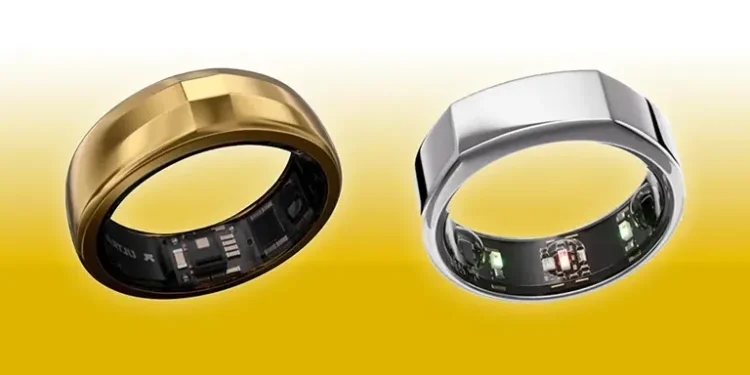
Both the Oura Ring Gen 3 and Gen 4 are crafted from lightweight titanium, so you can wear them all day (and night) without feeling like you’ve strapped on a mini dumbbell. They’re sleek, durable, and surprisingly comfortable for something packed with sensors.
Where the Gen 4 pulls ahead is in the details: its sensors are now recessed into the inner surface of the ring. This subtle tweak gives it a smoother feel and helps reduce those annoying positioning issues that sometimes mess with readings.
Oura also expanded the size range from size 4 to size 15, making the Gen 4 more inclusive and easier to fit. A small change, but for people with smaller or larger fingers, it’s a big win.
Pros – Gen 4: Refined design, better sizing options
Pros – Gen 3: Still stylish, lightweight titanium comfort
Cons – Both: Nearly identical aesthetics; don’t expect a flashy redesign
Sensors & Accuracy
Here’s where things get interesting.
The Gen 3 was already a powerhouse for tracking sleep, heart rate variability, and recovery. But the Gen 4 introduces something Oura calls Smart Sensing. Instead of relying on a fixed set of sensors, the Gen 4 uses an 18-path multi-wavelength PPG system.
Translation? The ring can automatically pick the best signal pathway for your finger and body position, dramatically reducing data gaps. You’ll see smoother continuous heart rate tracking, fewer dropouts, and more reliable SpO₂ (blood oxygen) readings at night.
If you’ve ever side-eyed your Gen 3 data because it felt “off,” Gen 4 is Oura’s answer to those complaints.
Pros – Gen 4: Next-level accuracy, fewer gaps, improved daytime heart rate
Pros – Gen 3: Solid sleep and HRV tracking for most users
Cons – Gen 3: Occasional inconsistencies in readings
Battery Life
No one likes charging jewelry, but luckily both generations are champs here.
The Gen 3 averages about 7 days on a single charge, while the Gen 4 pushes it slightly further to around 8 days. Not a groundbreaking leap, but with smarter sensing and optimization, Gen 4 feels just a bit more low-maintenance.
Pros – Both: Strong battery performance
Cons – Neither: Incremental upgrade, not a game-changer
Software & Features
Both rings rely on the Oura app, where you’ll find your Sleep Score, Readiness Score, and Activity Score neatly laid out.
The Gen 4 app update reorganizes these insights into new sections like Today, Vitals, and My Health, and brings improvements to automatic activity detection. It also adds more refined features like continuous daytime stress tracking and better workout recognition.
But here’s the kicker: Oura locks much of its deeper data behind a $5.99/month membership after the initial free trial. That’s true for both rings, so budget accordingly.
Pros – Gen 4: Cleaner app experience, more insights
Pros – Gen 3: Same access to key scores and features
Cons – Both: Subscription required for advanced features
Price & Value
Here’s where your wallet comes into play.
The Oura Ring Gen 4 starts at around $349 and goes up with premium finishes. Meanwhile, the Gen 3 is still widely available at discounts, making it one of the best values in the smart ring market.
If you’re a data junkie who wants the most accurate tracking available, the Gen 4 is the obvious choice. But if you’re primarily focused on sleep and recovery, and you can snag a Gen 3 at a discount, it’s still an excellent buy.
| Feature | Oura Ring Gen 3 | Oura Ring Gen 4 |
| Design & Comfort | Lightweight titanium, sizes 6–13 | Lightweight titanium, **sizes 4–15**, recessed sensors for smoother fit |
| Sensors | Fixed sensor layout, strong sleep/HRV tracking | Smart Sensing with 18-path multi-wavelength PPG** for better accuracy, fewer gaps |
| Accuracy | Reliable but occasional inconsistencies | Improved daytime HR + more reliable SpO₂ at night |
| Battery Life | ~7 days | ~8 days |
| App & Features | Sleep, Readiness, Activity Scores | Same + improved **stress tracking, workout detection, and refined app layout |
| Membership | $5.99/month for full features (after trial) | $5.99/month for full features (after trial) |
| Price | Usually $99, strong value | Starts at $349, premium finishes available |
| Best For | Budget-conscious users, sleep-focused tracking | Users who want **the most accurate, future-proof option |
| View on Amazon | View on Amazon |
The Verdict
So, which Oura Ring should you choose?
Go Gen 4 if… you want the latest Smart Sensing tech, sharper accuracy, expanded sizing, and the peace of mind that you’re getting the most advanced ring Oura has ever made.
Stick with Gen 3 if… you’re happy with reliable sleep tracking, want to save some cash, and can find it at a good price.
Both rings deliver strong performance and meaningful health insights, but the Oura Ring Gen 4 is the one pushing the smart ring industry forward.
👉 Bottom line: If budget isn’t an issue, chase the future with the Gen 4. But if you’re cost-conscious and mostly care about solid sleep and recovery data, the Gen 3 is still an excellent companion.